 Masar Center in Jeddah
Lyrica (Pregabalin): Uses, Side Effects, Addiction Risks and Treatment
Lyrica is a prescription medicine containing pregabalin. It is used for certain types of nerve pain and seizures, and for some other conditions depending on the country. It can provide meaningful relief when prescribed appropriately. However, pregabalin can also cause side effects, physical dependence and, in some people, addiction—particularly when it is misused. Abrupt discontinuation can cause withdrawal symptoms.[1], [2], [5]
This guide explains what Lyrica is, its available strengths, approved uses, how it works, common and serious adverse effects, signs of misuse, withdrawal, and treatment options. It also addresses regulations relevant to readers in Saudi Arabia and when medical assessment is needed.
What is Lyrica, and how is it different from pregabalin?
Lyrica is a brand name for pregabalin, the active pharmaceutical ingredient. The medicine belongs to a group often called gabapentinoids. Brand-name Lyrica and another approved pregabalin product may contain the same active ingredient, but the manufacturer, formulation, appearance and availability can differ.[1], [2]
Pregabalin affects nerve signalling in the central nervous system. It is not an opioid, and it is not appropriate to describe every prescribed use as drug abuse. Nevertheless, its known potential for misuse and dependence means medical supervision is important.
Lyrica capsule strengths: 75 mg, 150 mg and 300 mg
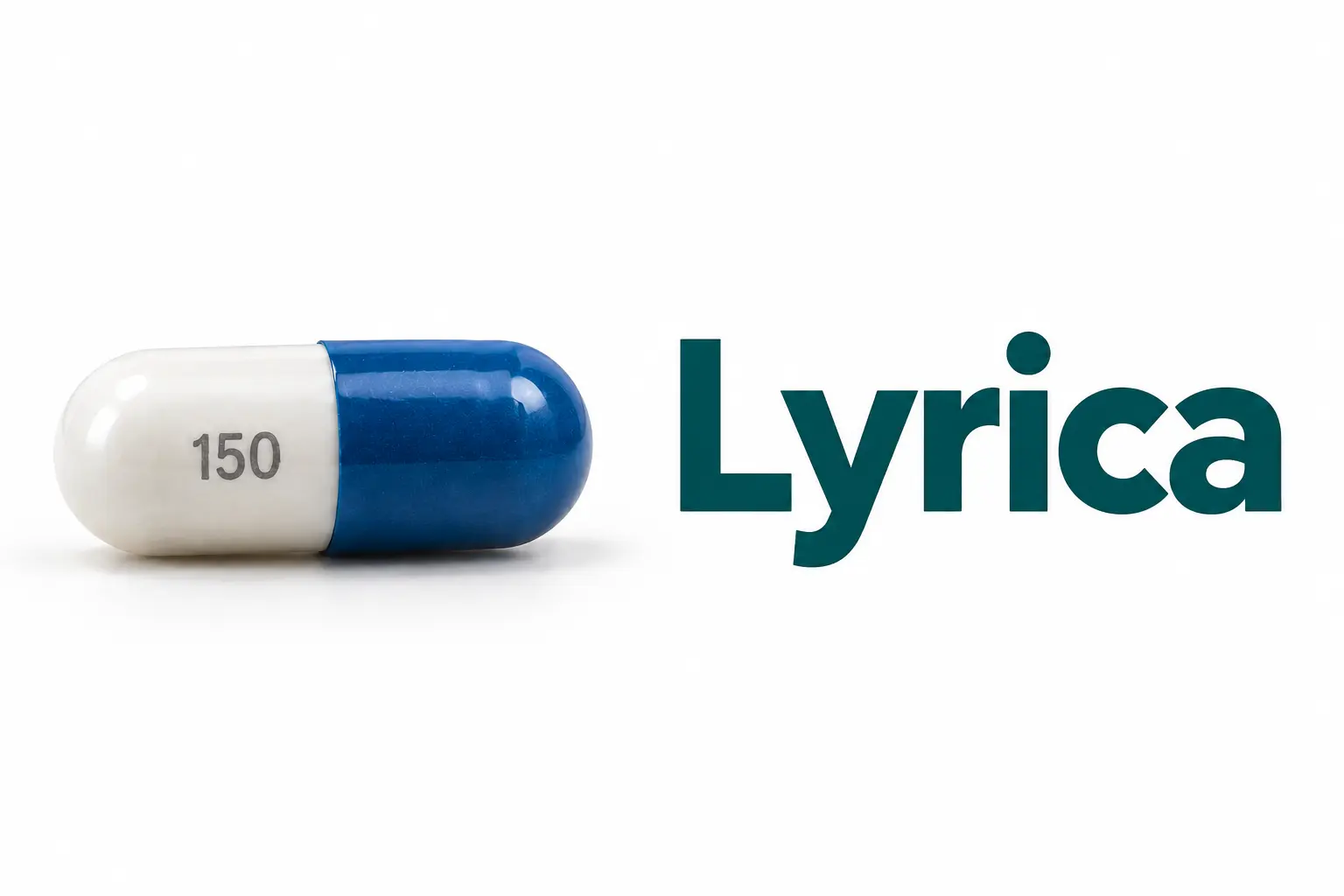
Lyrica immediate-release capsules are available in different strengths, including 25, 50, 75, 100, 150, 200, 225 and 300 mg according to the US product label. The availability of any particular product or strength in Saudi Arabia may differ.[1]
| Strength | What the number means | Important clarification |
|---|---|---|
| Lyrica 75 mg | Each capsule contains 75 mg of pregabalin. | A lower capsule strength is not automatically suitable for starting or stopping treatment. |
| Lyrica 150 mg | Each capsule contains 150 mg of pregabalin. | The prescribed daily dose may involve more than one capsule or dose. |
| Lyrica 300 mg | Each capsule contains 300 mg of pregabalin. | A 300 mg capsule is not necessarily appropriate for severe pain; dose selection depends on the condition and patient factors. |
Capsule colours and printed markings can vary by country, product and manufacturer. Do not identify a medicine solely by its colour or shape. Check the labelled pack and consult a pharmacist if you are unsure what a capsule contains.
What is Lyrica prescribed for?
The medical uses of pregabalin depend on the product label and country. The current US Lyrica label lists the following indications:[1]
Diabetic peripheral neuropathic pain: nerve pain associated with diabetes.
Postherpetic neuralgia: persistent nerve pain following shingles.
Neuropathic pain associated with spinal cord injury.
Fibromyalgia: a chronic condition associated with widespread pain and related symptoms.
Focal (partial-onset) seizures: used as an add-on antiseizure treatment in eligible patients.
Pregabalin is also used for generalised anxiety disorder in some countries, including the UK. That does not make generalised anxiety disorder an FDA-approved indication for Lyrica in the United States. A clinician should follow the locally approved product information and the individual treatment plan.[1], [2]
How does Lyrica help nerve pain and how does it work?
Pregabalin reduces the release of certain excitatory neurotransmitters by binding to the alpha-2-delta subunit of voltage-gated calcium channels. This modulates abnormal nerve signalling and can reduce certain types of neuropathic pain and seizure activity. It does not simply “numb” nerves or cure an underlying nerve injury.[1]
For people with diabetic nerve pain, pain after shingles, spinal-cord-related neuropathic pain or fibromyalgia, treatment may reduce symptoms and improve day-to-day functioning. Benefits and adverse effects should be reassessed during follow-up, particularly if treatment continues for a long time.
How long does Lyrica take to work?
Some people notice an improvement during the first week, while others need several weeks to judge the benefit for neuropathic pain. Timing varies with the condition, treatment schedule and individual response. The time it takes for a dose to reach peak blood concentration is not the same as the time needed to achieve meaningful symptom relief.[1], [2]
If there is no clear benefit, or side effects are troublesome, the prescriber may reassess the treatment. Do not increase the dose to make the medicine work faster. Do not stop suddenly, especially if you take pregabalin for seizures.
Common side effects of Lyrica
Common adverse effects can occur even when Lyrica is taken as directed. Some may improve as the body adjusts, while others warrant a dose review or a different treatment.[1], [3]
| Commonly reported effects | Symptoms that need urgent assessment |
|---|---|
| Dizziness, drowsiness and tiredness | Slow or difficult breathing, especially with opioids or other sedatives |
| Blurred vision or problems with balance | Swelling of the tongue, lips or throat; difficulty swallowing or breathing |
| Dry mouth, difficulty concentrating or memory complaints | Severe confusion, collapse or inability to wake the person |
| Weight gain or swelling in the hands or feet | New suicidal thoughts or intent to self-harm |
Avoid driving or operating machinery until you understand how pregabalin affects you. Discuss persistent swelling, visual changes, unusual mood changes and worsening symptoms with your healthcare professional.[1], [3]
Is Lyrica addictive or a controlled drug?
Yes, Lyrica can be misused and can lead to addiction in some people. It is also a medically useful prescription drug. Legal scheduling varies by country; in the United States, pregabalin is a Schedule V controlled substance under federal law. Neither prescribed use nor withdrawal symptoms alone prove that a patient has a substance use disorder.[1], [5]
| Term | Meaning |
|---|---|
| Physical dependence | The body adapts to repeated exposure; withdrawal symptoms may occur when a dose is reduced or stopped. |
| Tolerance | A person experiences reduced effect from the same dose, sometimes leading to requests for a higher dose. |
| Addiction / substance use disorder | A pattern involving impaired control, continued use despite harm and other clinically assessed features. |
The UK MHRA strengthened warnings in January 2026 and specifically distinguishes dependence from addiction. These effects may occur even during prescribed treatment, and should be discussed without blaming the patient.[5]
When does Lyrica use become misuse?
Use becomes concerning when someone uses pregabalin in a way that differs from the treatment plan or continues taking it for effects unrelated to medical care. Examples include:
Taking more than the prescribed dose, or increasing it without consulting the prescriber.
Using someone else’s pregabalin or obtaining it without a legitimate prescription.
Taking it for intoxication or euphoria rather than for the prescribed condition.
Mixing it with alcohol, opioids or sedating medicines to intensify effects.
Continuing to use it despite clear physical, psychological, social or occupational harm.
Warning signs of a possible substance use disorder include repeated unsuccessful attempts to cut down, cravings, neglecting responsibilities, hiding use and continued consumption despite harm. These are reasons to seek a clinical assessment, not grounds for making a diagnosis from one behaviour alone.
Can Lyrica cause addiction after one dose?
Taking one prescribed dose does not mean that someone has developed an addiction. Addiction is assessed as a pattern of behaviour over time, rather than from a single exposure. However, side effects, intoxication, allergic reactions and dangerous interactions can occur early in treatment. Dependence and withdrawal risks vary, and the MHRA warns they can sometimes occur even with short-term use at recommended doses.[1], [5]
Who may be at greater risk of misuse?
Risk of misuse or problematic use may be higher in some circumstances. Important factors for a clinician to review include:
A current or previous substance use disorder, including harmful alcohol use.
An untreated or unstable mental health condition.
Taking opioids, benzodiazepines, sleeping pills or other medicines that can cause sedation.
Unmanaged chronic pain or anxiety leading a person to change treatment without medical advice.
Escalating doses, repeated early refill requests or using pregabalin for euphoria.
These factors are not proof that a person will become addicted. They indicate a need for more careful assessment, open communication and a treatment plan matched to the individual.[5]
What are the symptoms of Lyrica withdrawal?
Withdrawal symptoms may occur when pregabalin is reduced too quickly or stopped abruptly, including in people taking it as prescribed. The symptoms can overlap with anxiety or a return of the original condition.[1], [4], [5]
| Physical symptoms | Psychological or behavioural symptoms |
|---|---|
| Headache, nausea, sweating or diarrhoea | Anxiety, agitation or irritability |
| Tremor, disturbed sleep or palpitations | Insomnia and mood changes |
| Return or worsening of pain | Low mood, distress or a strong desire to take the medicine again |
| Seizures in certain patients (a serious concern) | Confusion or severe behavioural change in some cases |
When does Lyrica withdrawal start, and how long does it last?
There is no reliable “24-hour rule” for the start of Lyrica withdrawal and no universal number of days until it ends. Symptoms may emerge after a reduction or discontinuation and differ in severity and duration between individuals. They may also be confused with recurrence of the condition being treated.[5], [6]
The official US label advises gradual discontinuation over at least one week, but that is a minimum label instruction, not a promise that one week will be suitable for everyone. The MHRA notes that tapering from a high dose may take weeks or months, with individualised monitoring.[1], [5]
Someone who wants a practical plan should consult their prescriber about the dose history, seizure risk, kidney function, other medicines and symptoms. A fixed taper schedule copied online may be unsafe. This section intentionally provides an overview; the detailed withdrawal article, once published in English, can address this topic separately.
What are the serious risks of Lyrica?
Serious risks include profound sedation, respiratory depression, angioedema (potentially dangerous swelling), severe hypersensitivity, seizures linked to abrupt discontinuation and suicidal thoughts or behaviour. The risk of breathing problems is especially important with opioids or other central nervous system depressants, or in people with underlying breathing impairment.[1], [3]
Combining pregabalin with heroin, methadone, morphine or other opioids can increase harm. A medical professional should know about every prescribed, non-prescribed and recreational substance being used; withholding that information can make treatment less safe.
Saudi Arabia: official warnings and dispensing rules
In a 29 May 2015 safety notice, the Saudi Food and Drug Authority (SFDA) announced tighter controls following reports of pregabalin misuse, including a withdrawal of products from private pharmacies at that time and restrictions on prescribing and supply.[7]
This is a historical regulatory notice, not proof of the exact dispensing rules in October 2026. The original article presents the 2015 measure as though its details remain unchanged today, which has not been established by the reviewed source. Patients should confirm current availability, prescribing restrictions and legitimate supply channels with the SFDA or a licensed healthcare provider in Saudi Arabia.
Patients taking pregabalin also need monitoring for emerging depression, suicidal thoughts, changes in behaviour, hypersensitivity and dangerous interactions. These warnings are consistent with the FDA product information and clinical safety advice.[1]
How is Lyrica misuse or addiction treated?
Treatment starts with an assessment, not automatically with admission or inpatient detoxification. The clinician first clarifies whether the concern is an expected physical dependence, a substance use disorder, or both, and reviews the medical reason for taking pregabalin, doses, other substance use and immediate safety risks.[5], [6]
Step 1. Clinical assessment and a safe medication plan
For some people, outpatient care and a tailored reduction plan are appropriate. Others may require medically supervised withdrawal, intensive observation or admission if there are significant medical or psychiatric risks. The aim is to reduce complications, not to promise completely symptom-free withdrawal.
Step 2. Psychological and behavioural support
When there is a substance use disorder, treatment may include motivational work, cognitive behavioural therapy (CBT), relapse-prevention strategies and support for co-occurring anxiety, mood symptoms or other substance use. The exact approach depends on a professional assessment; no single programme is right for everyone.
Step 3. Rehabilitation and continuing care
Patients with more complex needs may benefit from structured rehabilitation, family involvement when appropriate, and follow-up care focused on maintaining progress, improving daily functioning and reducing the risk of return to harmful use.
For a wider overview of services in Jeddah, read Masar Center’s English guide to addiction treatment in Saudi Arabia.
Frequently asked questions about Lyrica
These answers offer a quick overview. If your question involves your own prescription, discuss your medical history and current treatment with a clinician.
What is Lyrica?
Is Lyrica a narcotic or an addictive drug?
Is Lyrica 300 mg stronger than Lyrica 75 mg?
Each 300 mg capsule contains four times the amount of pregabalin in a 75 mg capsule. That does not mean it is a better choice: the suitable dose depends on the diagnosis, kidney function, response and tolerance.
How soon can pregabalin relieve nerve pain?
Can Lyrica become addictive after the first dose?
What happens if I stop taking Lyrica suddenly?
How long do Lyrica withdrawal symptoms last?
How long does Lyrica stay in the blood?
Pregabalin is cleared mainly through the kidneys, and its elimination half-life is about 6.3 hours in adults with normal kidney function. This is not the same as a universal blood test detection window; the specific assay and kidney function matter.[1]
How long can Lyrica be detected in urine?
Urine detection depends on whether pregabalin is included in the laboratory test, the method and detection threshold, when the sample is collected, and kidney function. A guaranteed “two-to-five-day” window should not be used to predict an individual result.
What is the difference between Lyrica and pregabalin?
Lyrica is a brand name; pregabalin is the generic active substance. Other brand names and formulations may exist depending on the market. Confirm any product’s active ingredient and approval status with a licensed pharmacist.
Can I buy Lyrica at a Saudi pharmacy?
Pregabalin dispensing in Saudi Arabia is subject to regulatory controls. An SFDA notice issued in 2015 is documented, but the exact current requirements should be checked through official SFDA information or a licensed provider, not assumed from an older announcement.[7]
What medicines are alternatives to Lyrica?
Other pregabalin brands may contain the same active ingredient, but they are not automatically interchangeable without confirmation of their formulation and approved status. Alternative treatments for neuropathic pain or seizures depend on the medical diagnosis and should be selected by a prescriber.
When is inpatient treatment needed for pregabalin misuse?
Not everyone needs inpatient care. It may be considered if there are serious withdrawal concerns, significant psychiatric risk, concurrent use of other substances or insufficient safety for outpatient management. The decision follows clinical assessment.
Confidential assessment and treatment at Masar Center in Jeddah
At Masar Center in Jeddah, a multidisciplinary team can assess problematic pregabalin use and any accompanying mental health concerns. Depending on clinical need, care may include outpatient assessment, medically supervised withdrawal, addiction rehabilitation, dual-diagnosis treatment and aftercare. Treatment recommendations follow the patient’s circumstances and are handled with confidentiality.
Seeking an assessment does not automatically mean that a person needs admission. The first goal is to understand the situation and agree on safe next steps.
Medical sources and references
U.S. FDA — LYRICA (pregabalin) prescribing information, revised April 2025
UK MHRA — Strengthened warnings on addiction, dependence, tolerance and withdrawal (8 January 2026)
NICE NG215 — Medicines associated with dependence or withdrawal symptoms
Saudi Food and Drug Authority — Historical pregabalin dispensing action (29 May 2015)
Medical editorial note: This article is for general educational purposes and is not a substitute for individual diagnosis, prescribing or emergency care. Medical review by an identified qualified clinician and confirmation of current Saudi dispensing rules are required before publication.